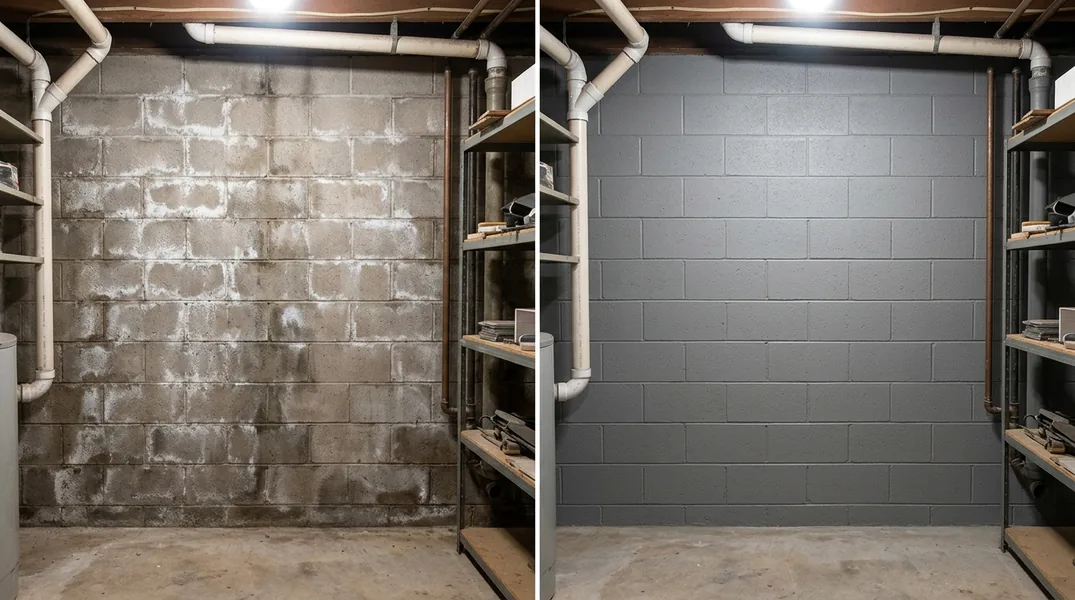
Why Spring Storms Put Lawton Homes at Risk
Spring in southwestern Oklahoma brings powerful thunderstorms that can drop several inches of rain in a matter of hours. When that much water hits the ground quickly, the soil around your home cannot absorb it fast enough. The result is storm runoff, sheets of water that flow across yards and pool against foundations. For homeowners in Lawton, this seasonal pattern is one of the most common causes of Lawton flooding basement problems and soggy crawl spaces.
The local soil makes things worse. Much of the area sits on clay-heavy ground that swells when wet and shrinks when dry. During a heavy rain event, that clay acts almost like a bowl, holding water against your foundation instead of letting it drain away. Add in the slope of many neighborhood lots, and it is easy to see why standing water at foundation walls is such a frequent complaint each spring. Understanding this cycle is the first step toward protecting your home before the next storm rolls in.
How Storm Runoff Finds Its Way Into Your Foundation
Water is patient and persistent. It follows the path of least resistance, and unfortunately, that path often leads straight toward your basement. Gutters that overflow, downspouts that dump water within a few feet of the house, and grading that slopes back toward the walls all channel storm runoff foundation damage. Once water saturates the soil against the foundation, hydrostatic pressure builds up and pushes moisture through tiny cracks, mortar joints, and the porous concrete itself.
That pressure is why heavy rain basement water problems often appear suddenly, even in homes that have stayed dry for years. A hairline crack that never caused trouble during light rain can become a steady seep once the ground is fully saturated. Window wells fill up, sill plates get wet, and before long you are dealing with dampness, musty odors, and the early signs of mold. Recognizing these entry points helps you address the source rather than just mopping up the symptoms.
Flood Prevention at Home: Simple Steps Before the Next Storm
Good flood prevention home habits start outside. Clean your gutters each spring and make sure every downspout carries water at least six to eight feet away from the foundation. Check the grading around your house and add soil where the ground has settled so that the surface slopes gently away from the walls. Extending downspouts and installing splash blocks are inexpensive fixes that make a real difference during a downpour.
Inside, keep an eye on any cracks in the basement walls or floor and seal small ones with hydraulic cement or a quality masonry sealer. Move stored items off the floor and onto shelving so they stay dry if moisture does get in. A battery-backup sump pump is also worth considering, since spring storms frequently knock out power right when you need drainage the most. These steps will not solve every problem, but they reduce the odds that a storm turns into a flooded basement.
When to Call a Professional for Basement Waterproofing Near Me
Sometimes DIY measures are not enough. If you have noticed water stains that keep returning, efflorescence (the white powdery residue on concrete), a persistently damp smell, or actual pooling after storms, it is time to bring in a professional. Searching for Basement Waterproofing near me usually means you want a local expert who understands the specific soil and weather patterns of the area, and that is exactly what you get when you work with a team that serves Cache and the surrounding communities.
A thorough inspection will identify where the water is entering and recommend the right fix. That might mean an Interior Drain Tile System to capture water before it reaches the floor, or Exterior Basement Waterproofing to stop it at the source. In many cases, a combination of Foundation Waterproofing and improved drainage gives homeowners lasting peace of mind. If you are unsure where to start, a free estimate is the easiest way to get clear answers.
Basement Waterproofing Cost in Lawton: What to Budget
Homeowners often ask what waterproofing will cost before they commit. The honest answer is that it depends on the size of the problem. A small crack injection costs far less than a full interior drainage system, and exterior work involves excavation and landscaping that affect the total. Factors like the age of the home, the type of foundation, and how much water intrusion has already occurred all play a role. Getting a written assessment is the only way to know what your specific situation requires.
It also helps to think of waterproofing as an investment rather than an expense. A flooded basement can destroy flooring, drywall, furniture, and stored belongings, and mold remediation alone can run into the thousands. Addressing the source early usually costs less than repairing the aftermath of repeated flooding. For a clearer picture of typical pricing, reach out to Lawton Waterproofing at (580) 215-5514 and ask for a straightforward, no-pressure quote.
Protecting Your Home Year After Year
Spring storms are a fact of life in Oklahoma, but a flooded basement does not have to be. By understanding how runoff behaves, keeping your drainage system in good shape, and calling in professionals when warning signs appear, you can protect your home through every rainy season. Homes in Medicine Park and Fletcher face the same challenges, and the same proactive approach works there too.
The best time to act is before the next storm, not after water is already pooling at your foundation. A quick inspection now can catch small issues while they are still inexpensive to fix. If you have concerns about standing water, damp walls, or a basement that never quite feels dry, call Lawton Waterproofing at (580) 215-5514 or request a free estimate today. A dry, healthy home is well within reach.
Looking for a professional basement waterproofing contractor in Lawton? Lawton Waterproofing responds fast for all your basement waterproofing needs.
Get a Free QuoteOur services: Basement Waterproofing · Interior Drain Tile System · Exterior Basement Waterproofing